




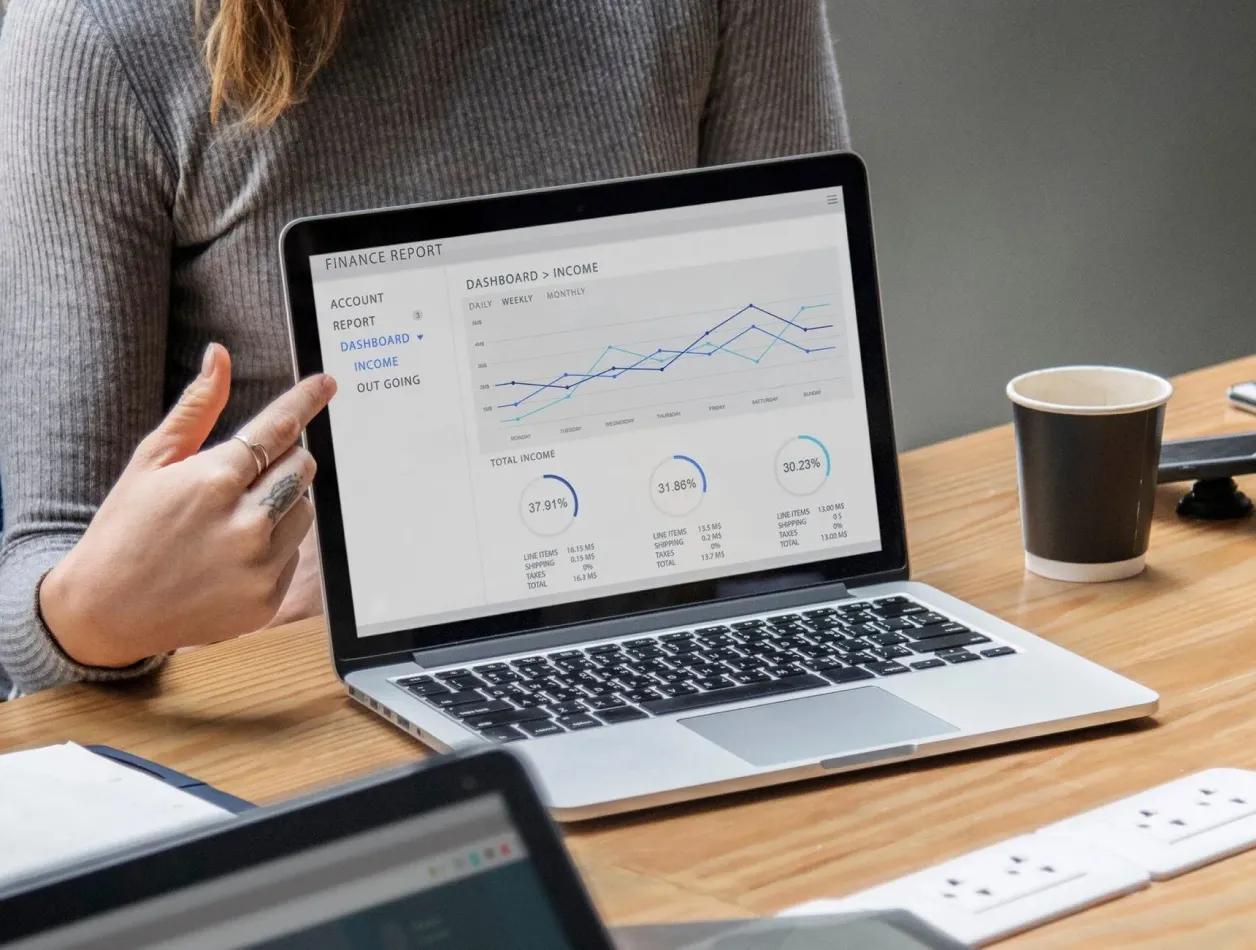





Product & Functional Understanding
We map core flows, business rules, and dependencies so there are no surprises during handover.

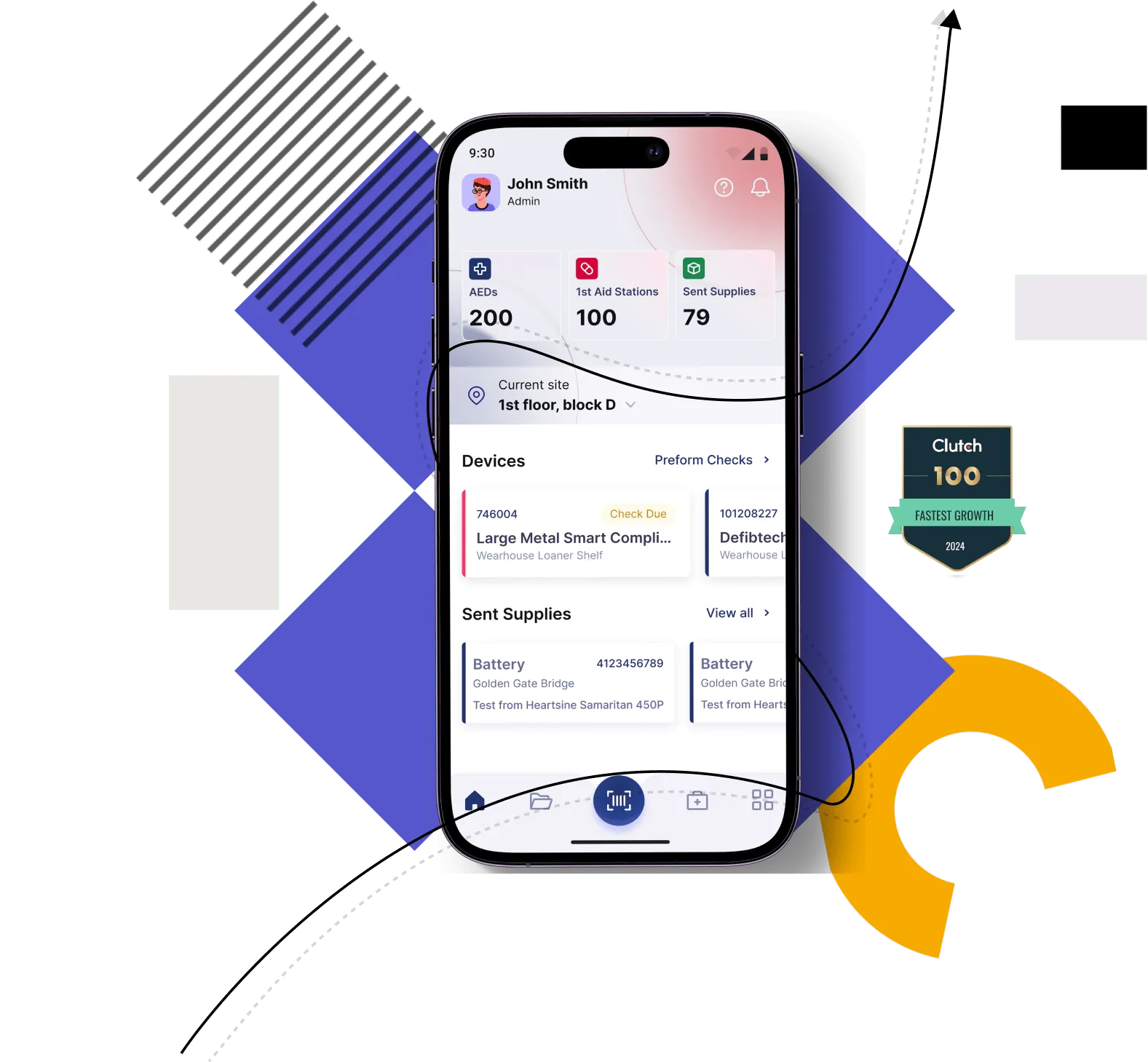












You depend on a single developer, an overloaded internal team, or an unreliable vendor — and you can’t afford them to disappear or miss another deadline.
.svg)
The app runs on old frameworks and fragile code, so every small change risks breaking something else
Legacy systems cost a lot to support and maintain, with rising expenses for patches, servers, and specialized skills.

Obsolete software leads to crashes and outages that disrupt your business and frustrate customers.

Adding new features or adapting to market changes takes too long, leaving you behind competitors.

Legacy systems may not meet current security standards, exposing your business to vulnerabilities and compliance issues.
.svg)

.svg)


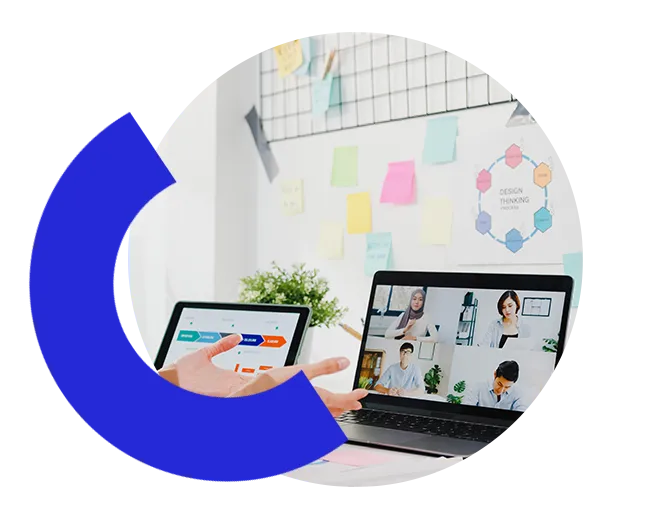
We map core flows, business rules, and dependencies so there are no surprises during handover.
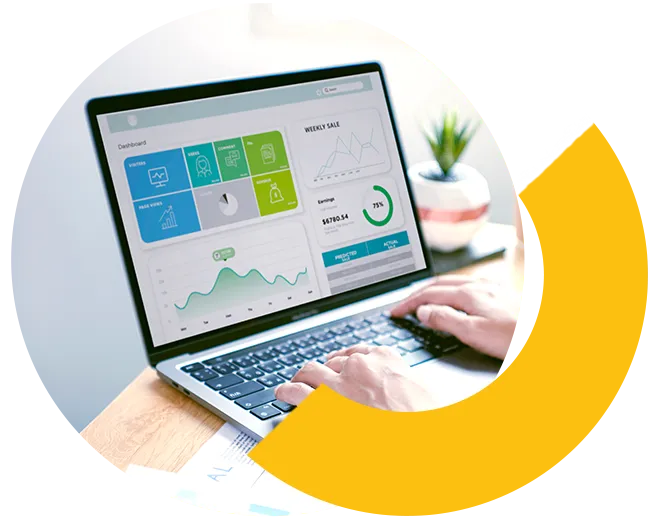
We review cloud setup, integrations, and security posture to spot risks early.
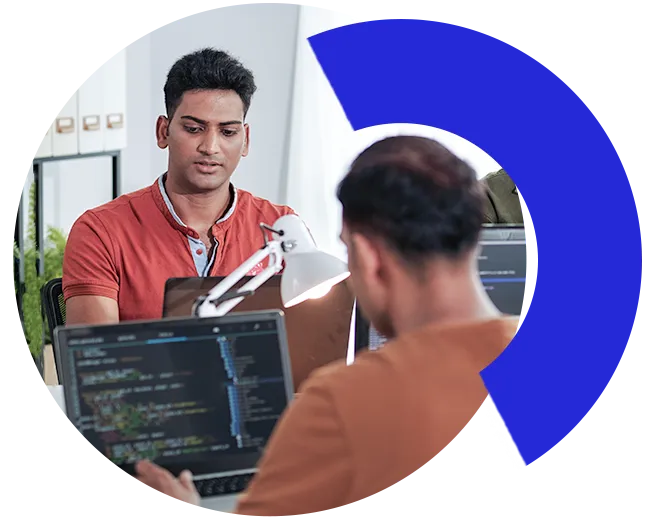
We assess code quality, tests, and environments to define the first fixes and refactors.
We take over ownership with clear SLAs, documentation, and a prioritized backlog of improvements.
Use your free assessment to fix a real issue in your app and see how our team works.





This is for CXOs and business leaders responsible for business‑critical applications that are legacy, fragile, or poorly supported — including SaaS, internal line‑of‑business tools, and e‑commerce platforms.
We work with a wide range of web, desktop, and cloud applications and ecosystems, on both legacy and modern stacks, and not limited to a specific framework list.
Yes. We help stabilize and modernize custom and platform‑based e‑commerce applications, including order management, integrations, and performance under peak traffic.
Yes. We reconstruct knowledge through code reviews, infrastructure and log analysis, and interviews with your team so the app is no longer dependent on “tribal knowledge".
We stabilize first (monitoring, SLAs, quick fixes), then gradually reduce risk and technical debt through prioritized improvements tailored to your current stack and business priorities.
We avoid “big bang” rewrites; instead, we modernize in stages, starting with stabilizing the current system, then refactoring and replacing components where it creates clear value and minimal risk.
Yes. Where it makes sense, we can migrate to AWS, Azure, or Google Cloud and introduce more scalable patterns such as containers or managed services, guided by your constraints and timelines.
You get a 30–45 minute discovery call plus a short written assessment covering your app’s current state, key risks, quick wins, and a 90‑day modernization and support outline.
Initial assessment and early fixes usually happen in the first few weeks, with deeper stabilization and modernization planned over the next 2-4 months depending on app size and complexity.
We are used to incomplete or reluctant handovers and can work with whatever access you can provide, then rebuild missing context from the codebase and infrastructure
We use least‑privilege access, credential rotation where needed, and a handover checklist that includes reviewing security settings and logging any changes to access.
Yes. After handover, we provide ongoing support, enhancements, and staged modernization with a dedicated team, clear SLAs, and regular health checks.
Not necessarily; we can fully own the application or work alongside your existing team as an extension to stabilize, modernize, and ship new features.
Aside from the assessment and a few focused sessions, we minimize the load on your internal team so they can stay focused on running the business.
Copyright © Whizzbridge